| The tour is intended for individuals to continue their liturgical formation at the same time as acquainting them with the rich catechetical aspects of the church building. They are encouraged to bring their child to church and give them the tour. | La visita está pensada para que las personas continúen su formación litúrgica al mismo tiempo que se familiarizan con los ricos aspectos catequéticos del edificio de la iglesia. Se les anima a que traigan a sus hijos a la iglesia y les hagan la visita guiada. |
-
-
Baptismal Pool | Piscina Bautismal
- Baptism begins our initiation into the Body of Christ, the community of disciples, the church.
- The newly baptized step out of the baptismal water and step into the middle aisle which leads to the sanctuary and to the Eucharist.
- El bautismo da comienzo a nuestra iniciación en el Cuerpo de Cristo, la comunidad de discípulos, la Iglesia.
- Los recién bautizados salen del agua bautismal y pasan al pasillo central que conduce al presbiterio y a la Eucaristía.
-
Ambry
Observe the oils and their use in baptism, confirmation, Orders and the Anointing of the Sick. Observar los óleos y su uso en el bautismo, la confirmación, las órdenes y la unción de los enfermos. -
Sanctuary Area | Área del Santuario
- Notice the art work
- Find “spes” and “fides”. See that the artist through his last work is emphasizing St. Paul’s statement, “In the end there are three things that last: faith, hope and charity but the greatest of these is charity.”
- The Eucharist windows give us different lenses for understanding the mystery of the Eucharist.
- Fíjese en la obra de arte
- Encuentra "spes" y "fides". Observa que el artista, a través de su última obra, está haciendo hincapié en la afirmación de San Pablo: "Al final hay tres cosas que perduran: la fe, la esperanza y la caridad, pero la mayor de ellas es la caridad."
- Las ventanas de la Eucaristía nos ofrecen diferentes lentes para comprender el misterio de la Eucaristía.
-
Ambo
- This is the special place from which God’s Word is proclaimed.
- Call attention to the different ways that the Word is reverenced to show our respect for God’s Word.
- Encourage the practice of active, attentive listening to God’s Word.
- Encourage the reading of the Sunday’s scripture before coming to Mass.
- Este es el lugar especial desde el que se proclama la Palabra de Dios.
- Llama la atención sobre las distintas formas de reverenciar la Palabra para mostrar nuestro respeto por la Palabra de Dios.
- Fomentar la práctica de la escucha activa y atenta de la Palabra de Dios.
- Animar a la lectura de la Escritura del domingo antes de venir a Misa.
-
Altar
- The altar is reverenced at the beginning of Liturgy
- The altar is reserved for the Liturgy of the Eucharist when the bread and wine are brought forth and the presider prays the Eucharistic Prayer aloud as we join in the prayer silently.
- El altar es reverenciado al comienzo de la Liturgia
- El altar está reservado para la Liturgia de la Eucaristía, cuando el pan y el vino son traídos y el celebrante reza la Plegaria Eucarística en voz alta mientras nosotros nos unimos a la oración en silencio.
-
Tabernacle | Tabernáculo
- The purpose of the tabernacle is to hold the consecrated bread that has not been consumed during the Mass
- Origin: keeping the Blessed Sacrament for the sick. The reasons for the reservation of the sacrament vary by tradition, but common reasons for reserving the sacrament include for it to be taken to the ill or housebound, for the devotional practice of Eucharistic Adoration, for viaticum for the dying, and so that Communion may still be administered if a priest is unavailable to celebrate the Eucharist.
- The custom of Eucharistic devotion- Adoration is a sign of devotion to and worship of Jesus Christ, who we believe to be present Body, Blood, Soul, and Divinity, under the appearance of the consecrated host, in the form of hosts, that is, consecrated altar bread. As a devotion, Eucharistic adoration, prayer, and meditation are more than merely looking at the Blessed Host, but are believed to be a continuation of what was celebrated in the Eucharist.
- The tabernacle lamp- In the Old Testament, God told Moses that a lamp filled with the pure oil should perpetually burn in the Tabernacle (Ex 27:20-21). This is the precedent for the Catholic Church’s custom of burning a candle (at all times) before the tabernacle
– the gold house where the Eucharistic Body of Christ is reserved under lock and key.
- La función del sagrario es contener el pan consagrado que no se ha consumido durante la misa.
- Origen: guardar el Santísimo Sacramento para los enfermos. Las razones para la reserva del sacramento varían según la tradición, pero las razones comunes para reservar el sacramento incluyen para llevarlo a los enfermos o confinados en casa, para la práctica devocional de la Adoración Eucarística, para el viático para los moribundos, y para que la Comunión pueda seguir siendo administrada si un sacerdote no está disponible para celebrar la Eucaristía.
- La costumbre de la devoción eucarística- La adoración es un signo de devoción y culto a Jesucristo, a quien creemos presente en Cuerpo, Sangre, Alma y Divinidad, bajo la apariencia de la hostia consagrada, en forma de hostias, es decir, pan de altar consagrado. Como devoción, la adoración eucarística, la oración y la meditación son algo más que mirar la Hostia Sagrada, sino que se cree que son una continuación de lo que se celebró en la Eucaristía.
- La lámpara del tabernáculo- En el Antiguo Testamento, Dios dijo a Moisés que en el tabernáculo debía arder perpetuamente una lámpara llena de aceite puro (Ex 27, 20-21). Este es el precedente de la costumbre de la Iglesia Católica de quemar una vela (en todo momento) ante el sagrario
- la casa de oro donde se reserva bajo llave el Cuerpo Eucarístico de Cristo.
-
The Body of the Church | El Cuerpo de la Iglesia
- The body of the church and the sacristy are all one worship space.
- The apostles’ windows. Apostle was a person who was a witness to the life, death and resurrection of Jesus Christ. They were on fire to share their experience of Jesus Christ with all whom they met. In the resurrection appearance, Jesus commissioned them to go out into the whole world and tell the “good news” through the preaching that they did. Their continued reflection on the experience of Jesus led to putting down in words their beliefs about Jesus. These beliefs are called the Apostle’s Creed.
- The saints niches. The saints were women and men who came to know Jesus Christ. Knowing Jesus Christ changed them. They too were on fire to share their experience of Jesus Christ.
- The placement of the saints and apostles is intended to remind us that we are surrounded by the community of saints. We, the present living earthly community, are joined by the thousands of women and men before us as we offer our perfect worship of the Father.
- El cuerpo de la iglesia y la sacristía son un único espacio de culto.
- Las ventanas de los apóstoles. Apóstol era una persona que daba testimonio de la vida, muerte y resurrección de Jesucristo. Ardían en deseos de compartir su experiencia de Jesucristo con todos los que encontraban. En la aparición de la resurrección, Jesús les encargó que fueran por todo el mundo y contaran la "buena nueva" a través de la predicación que hacían. Su continua reflexión sobre la experiencia de Jesús les llevó a plasmar en palabras sus creencias sobre Jesús. Estas creencias se denominan Credo de los Apóstoles.
- Los nichos de los santos. Los santos eran mujeres y hombres que conocieron a Jesucristo. Conocer a Jesucristo les cambió. También ellos ardían en deseos de compartir su experiencia de Jesucristo.
- La colocación de los santos y apóstoles pretende recordarnos que estamos rodeados por la comunidad de los santos. Nosotros, la actual comunidad terrenal viva, nos unimos a los miles de mujeres y hombres que nos precedieron al ofrecer nuestro culto perfecto al Padre.
-
Murals | Murales
- The parables are on the Blessed mother’s side. Parables engage the hearer and then, in an improbable twist or outcome are intended to startle, to turn one’s familiar ways of seeing and doing upside down and inside out.
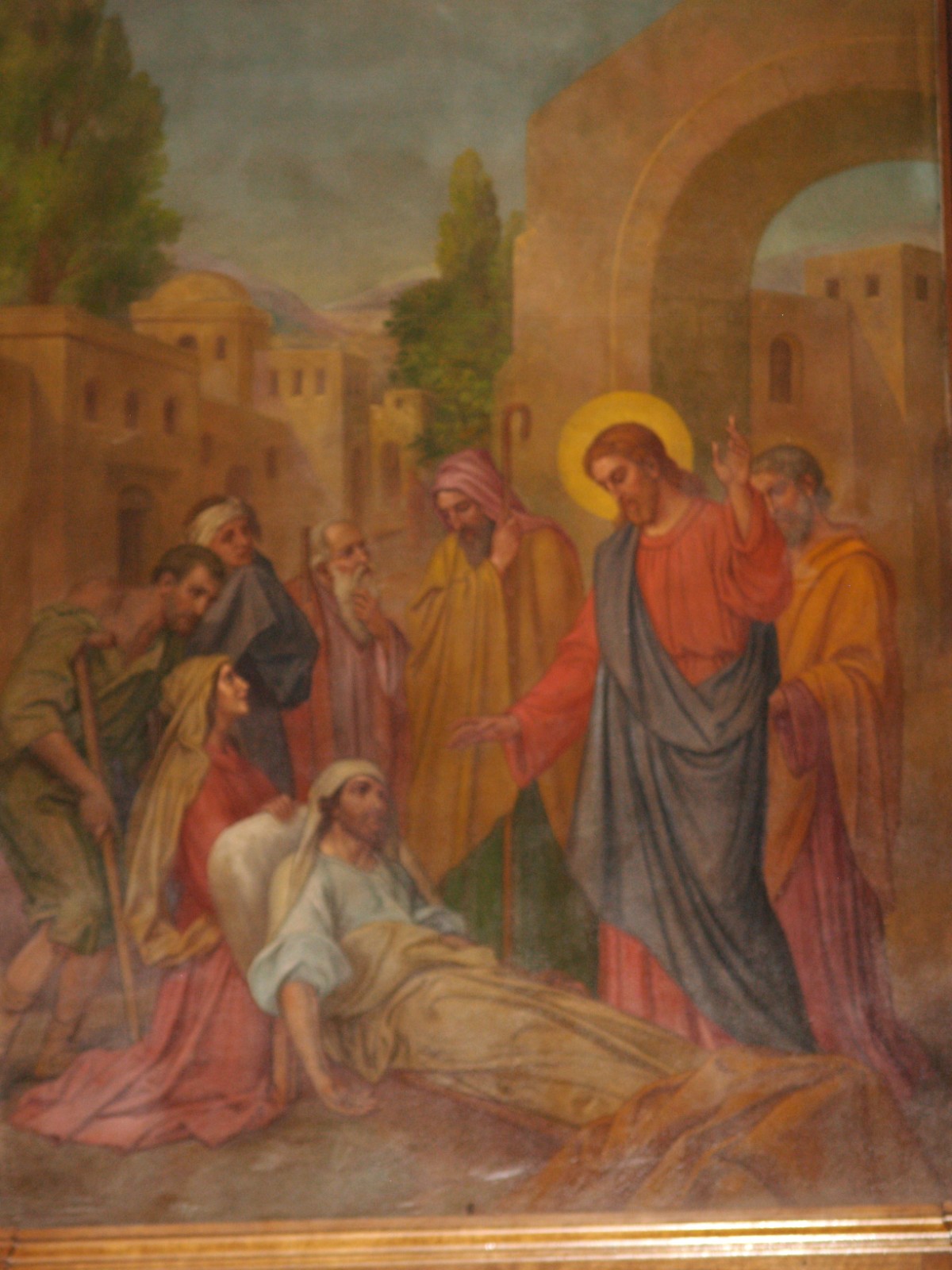
- The miracle stories on St. Joseph’s side. Miracles are signs, doors that open our eyes and hearts as to what God’s reign should be like.
- Las parábolas están del lado de la Virgen. Las parábolas atraen al oyente y luego, en un giro o desenlace improbable, pretenden sobresaltarlo, poner patas arriba y al revés su forma familiar de ver y hacer las cosas.
- Las historias de milagros del lado de San José. Los milagros son signos, puertas que nos abren los ojos y el corazón sobre cómo debe ser el reinado de Dios.
- 1
Windows | Ventanas
SHRINES | SANTUARIOS
|
Apostles Old Testament:
|
Apóstoles Antiguo Testamento:
Nuevo Testamento:
|
Paintings | Pinturas
|
Sanctuary Area
|
Área del Santuario
|
The Signs or Miracles of Jesus | Los signos o milagros de Jesús
-
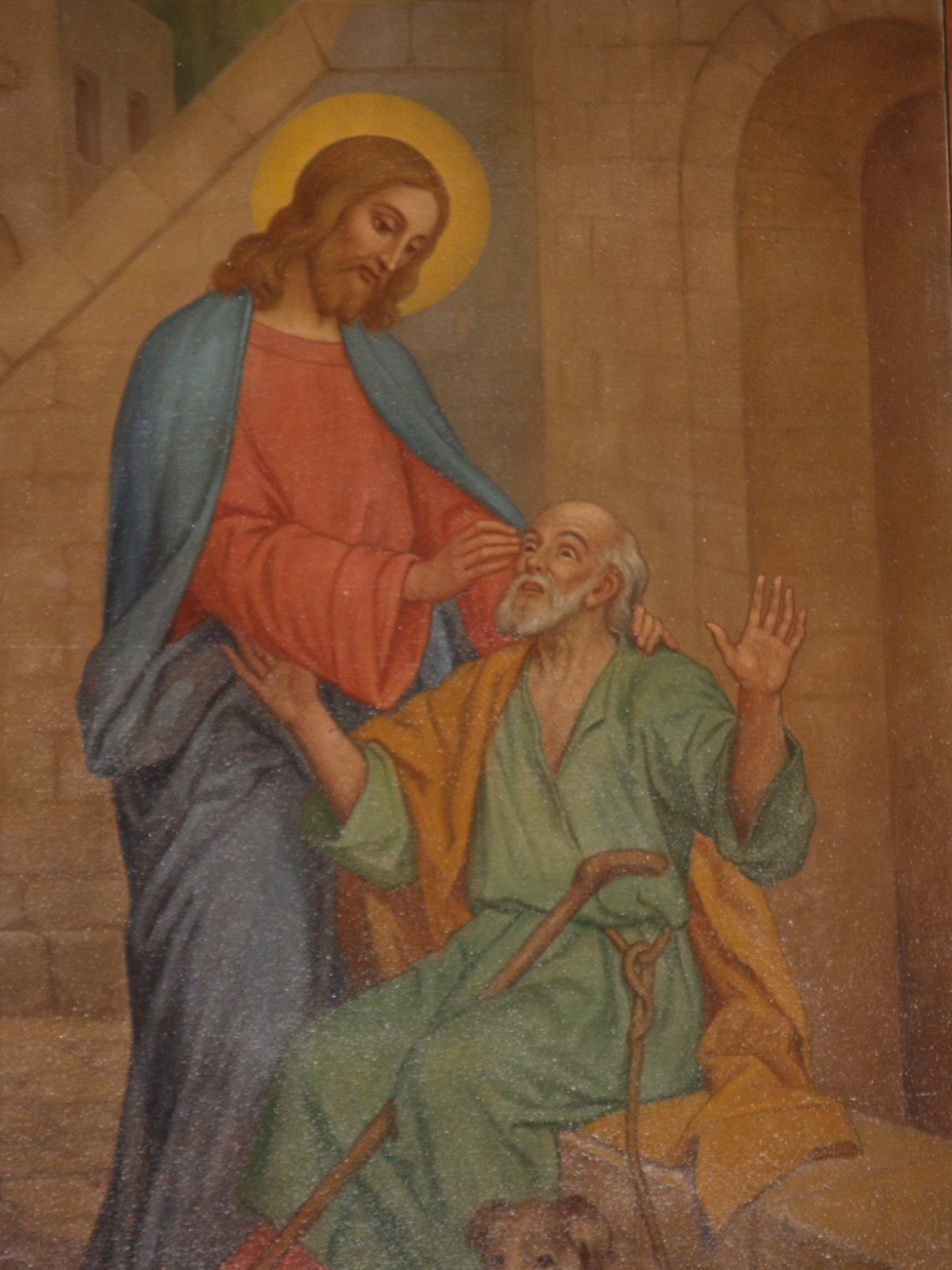
Cure of Blind Man | Curación de un Ciego
-
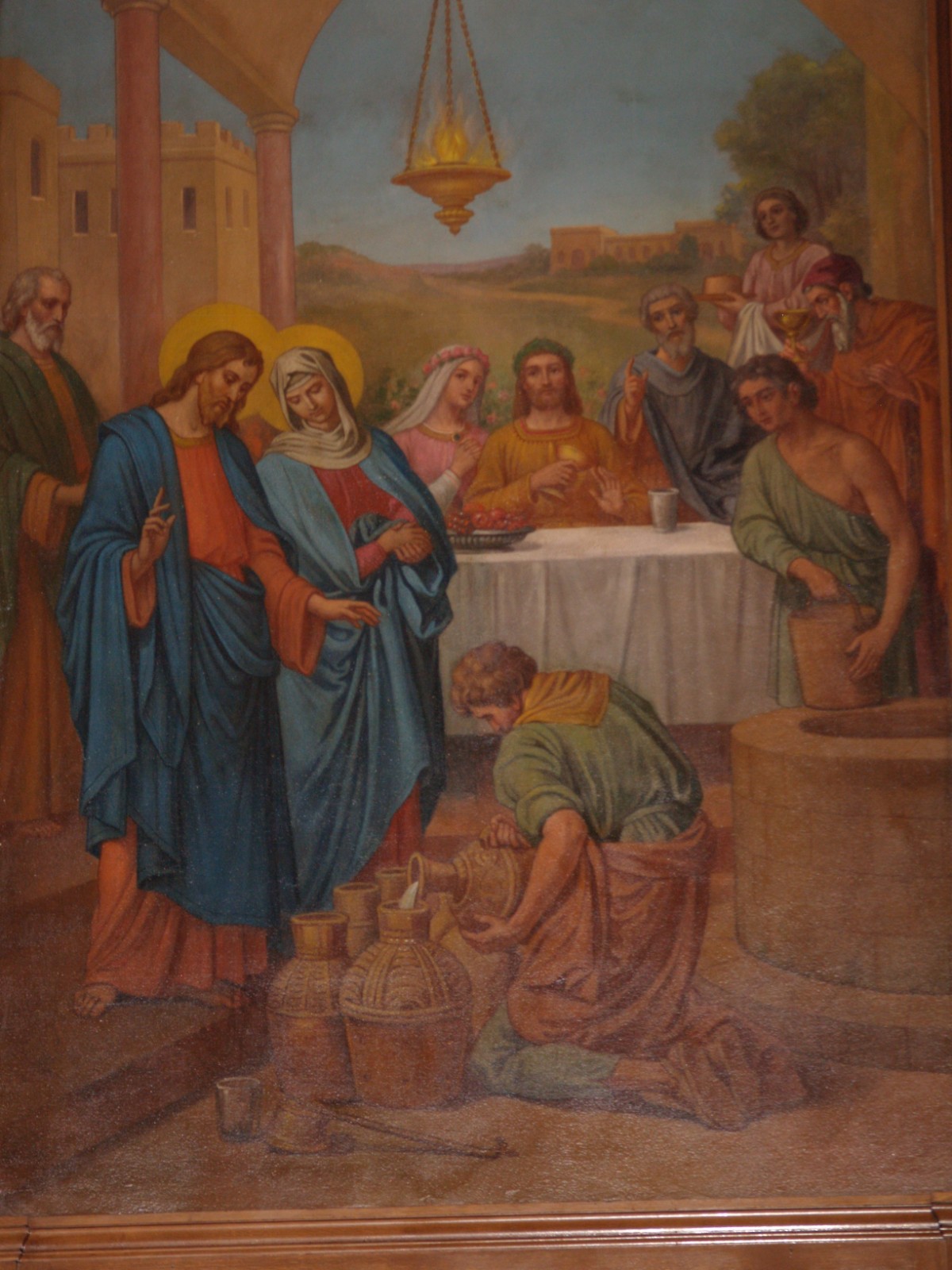
Wedding Feast of Cana | Bodas de Caná
-
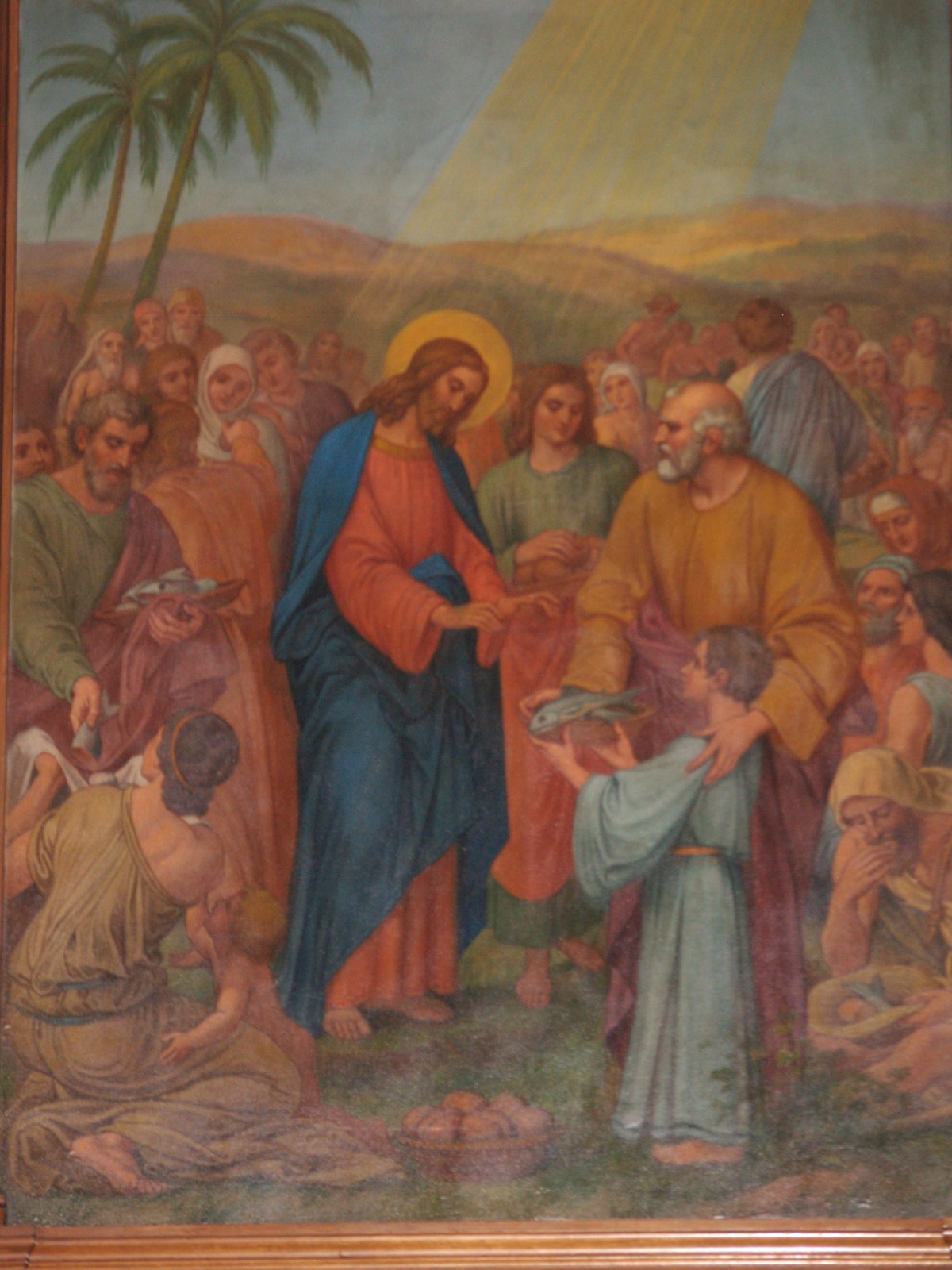
Feeding of the Multitude | Alimentar a la multitud
-
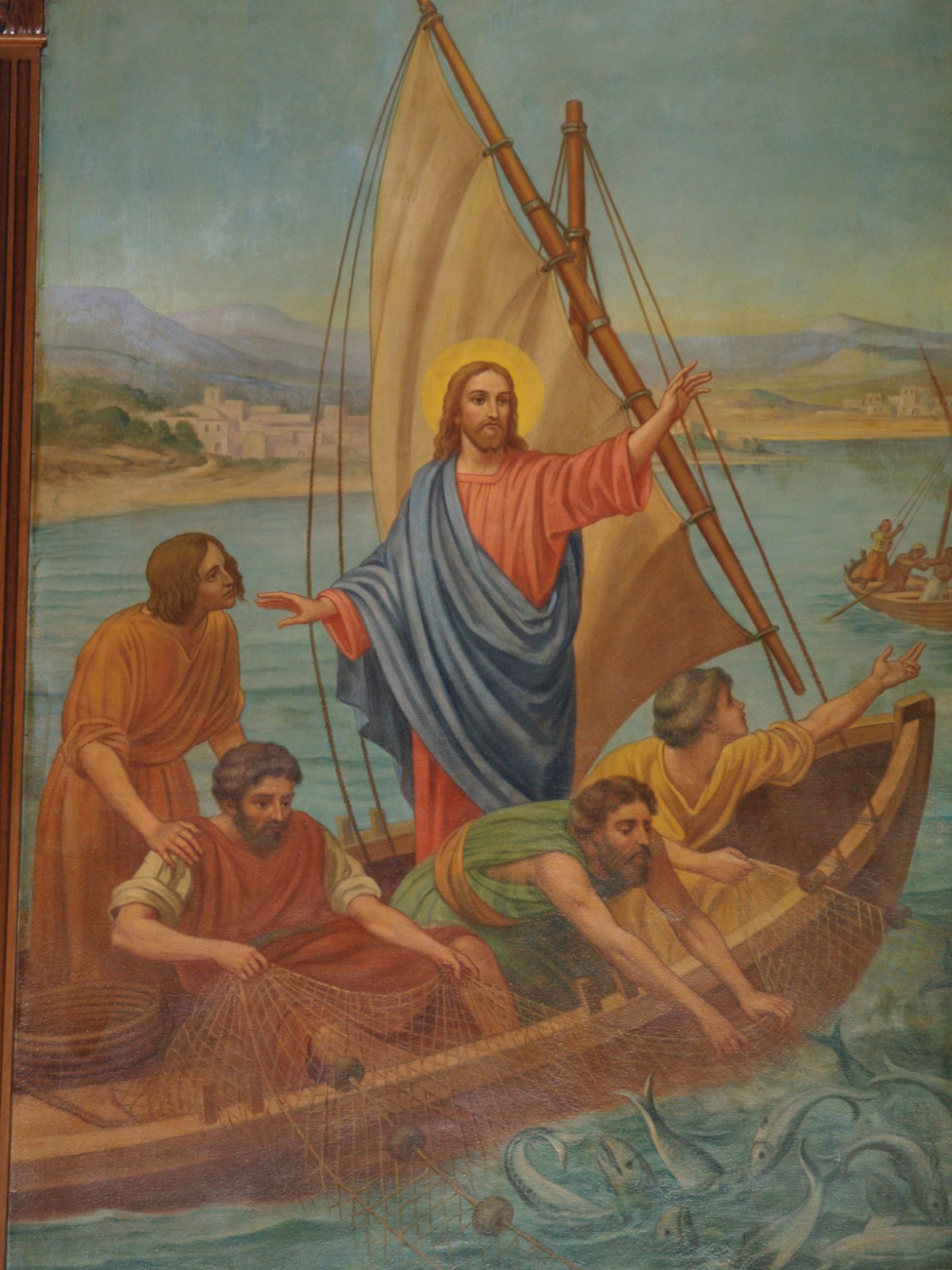
Miraculous Catch of Fish | Pesca Milagrosa
-
Cure of the Paralytic | Curación del Paralítico
-
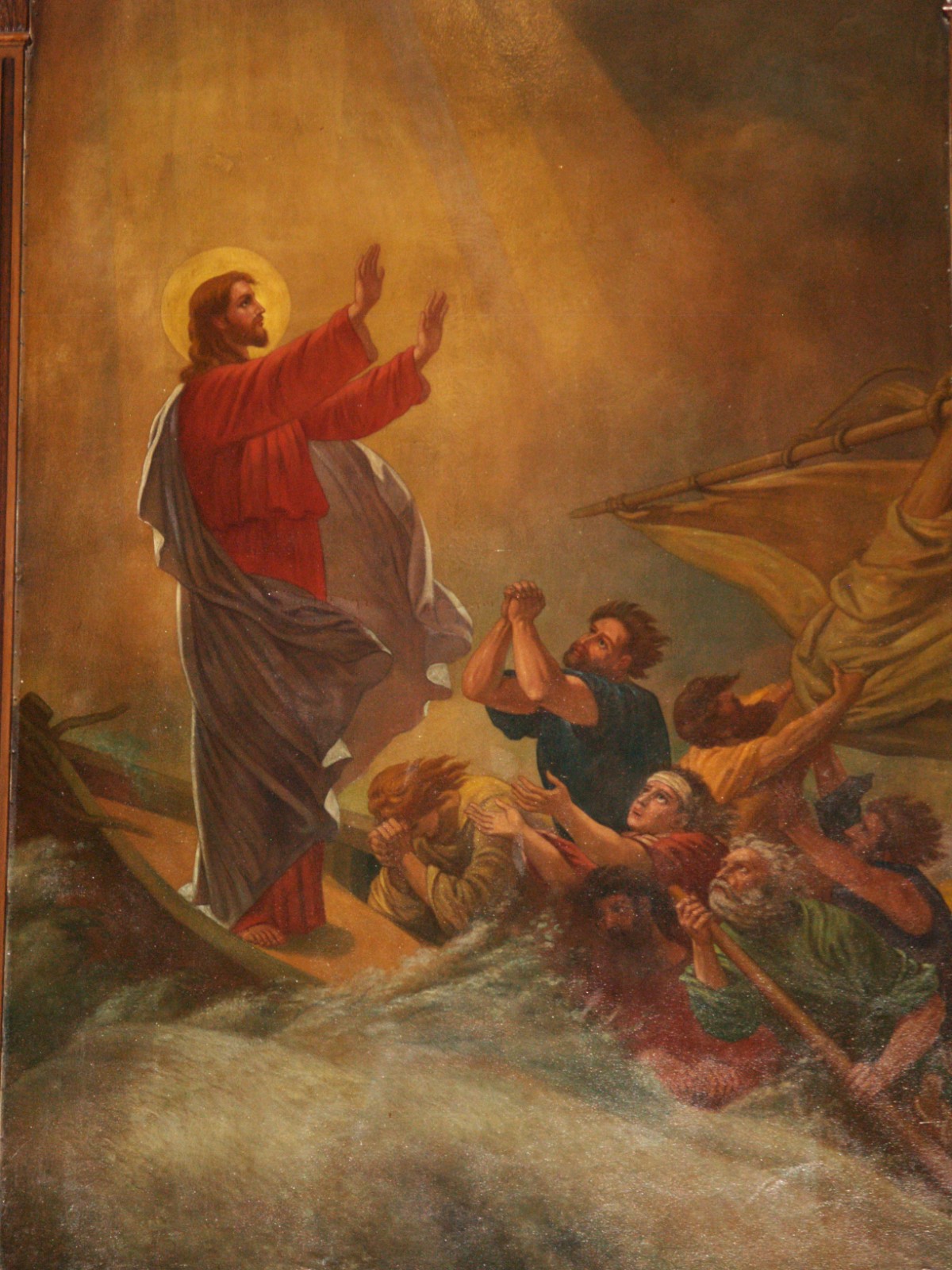
Calming of the Sea | Calmar el Mar
-
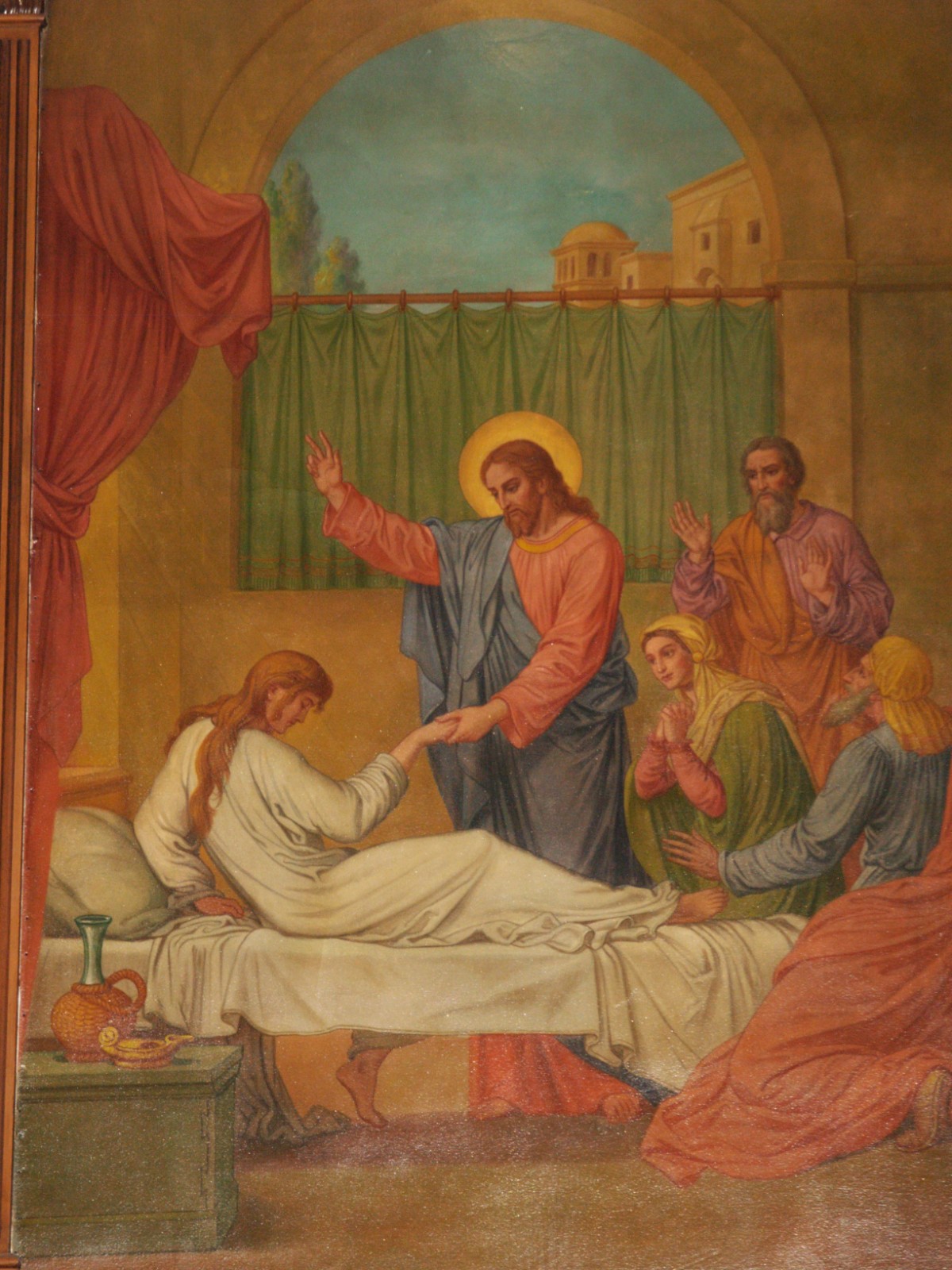
Raising of the Daughter of Jairus | Resurrección de la hija de Jairo
-
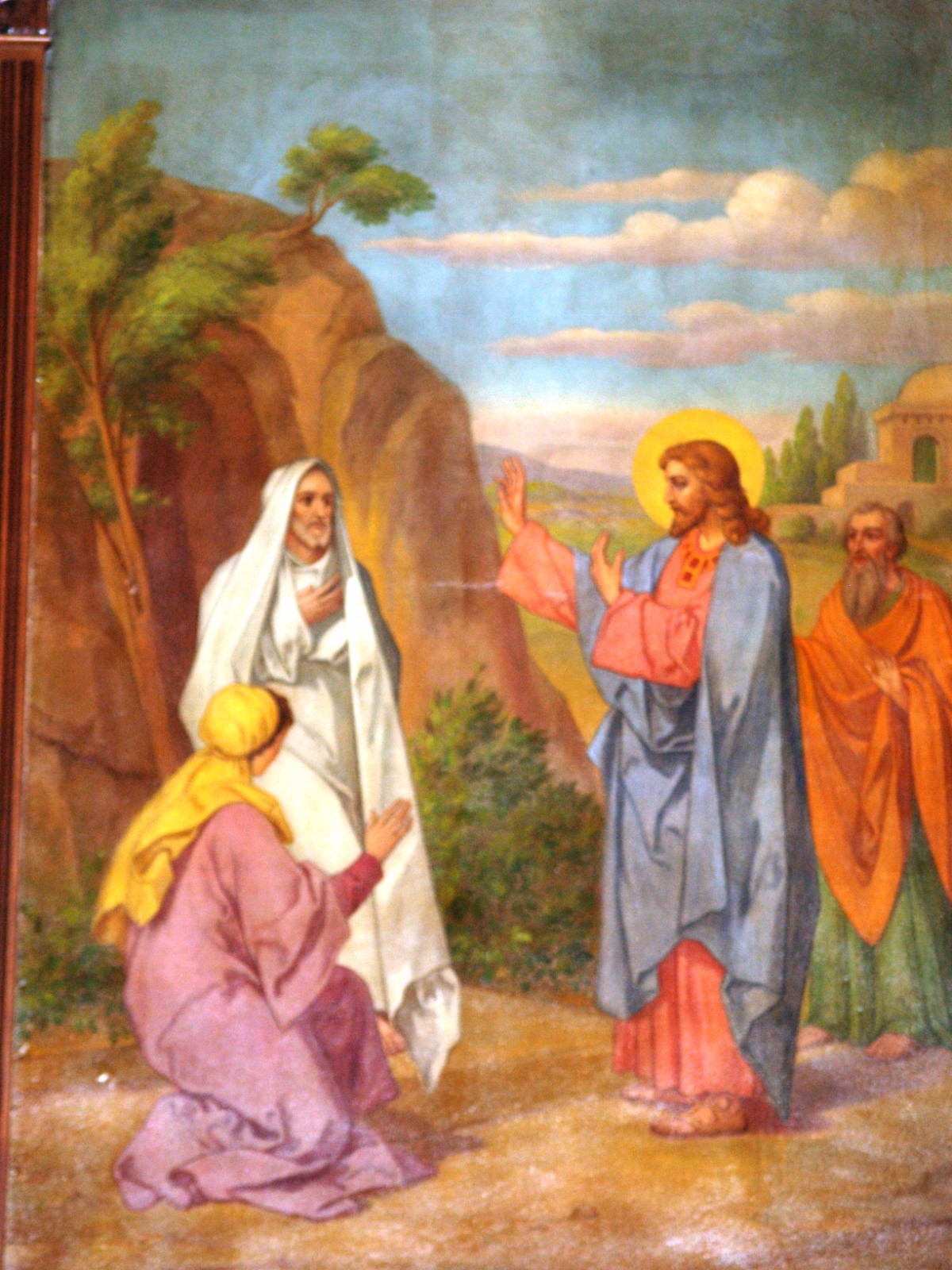
Raising of Lazarus | Resurrección de Lázaro
-
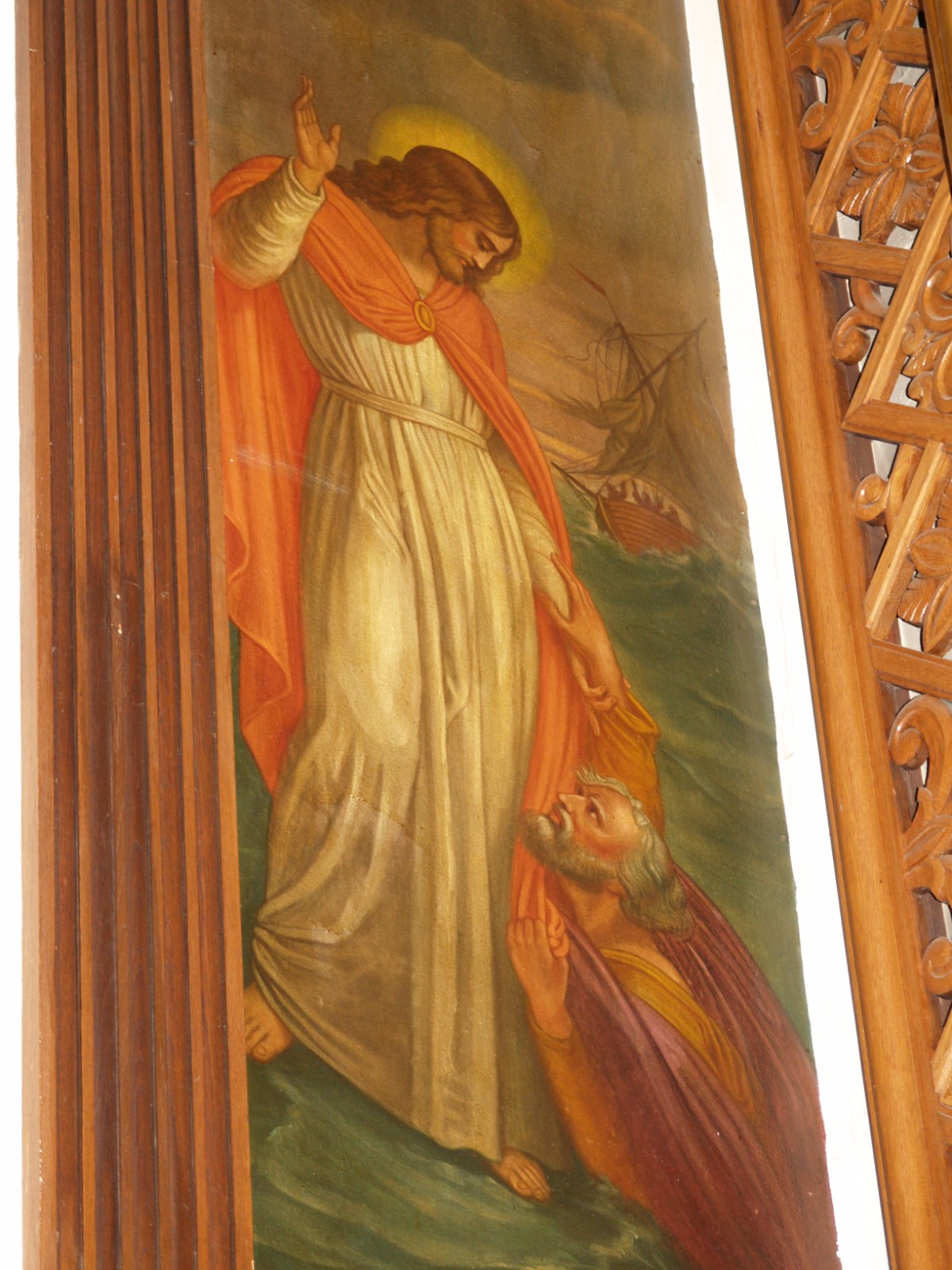
Peter “Walks” on Water | Peter "camina" sobre el agua
›
‹
- 1
- 2
- 3
- 4
- 5
- 6
- 7
- 8
- 9
The Parables or Sayings of Jesus | Las parábolas o dichos de Jesús
-
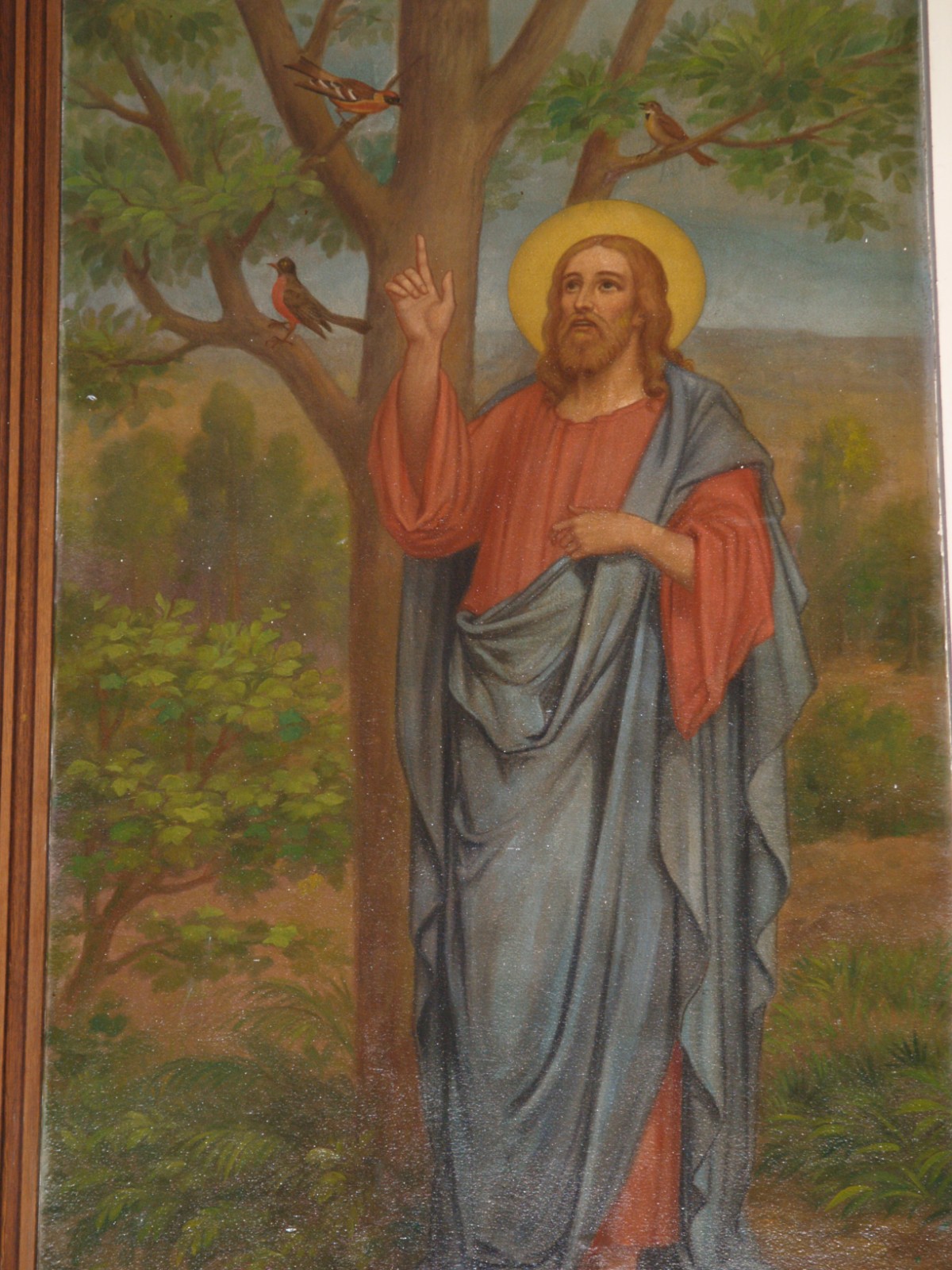
Consider the Birds of the Air | Las aves del cielo
-
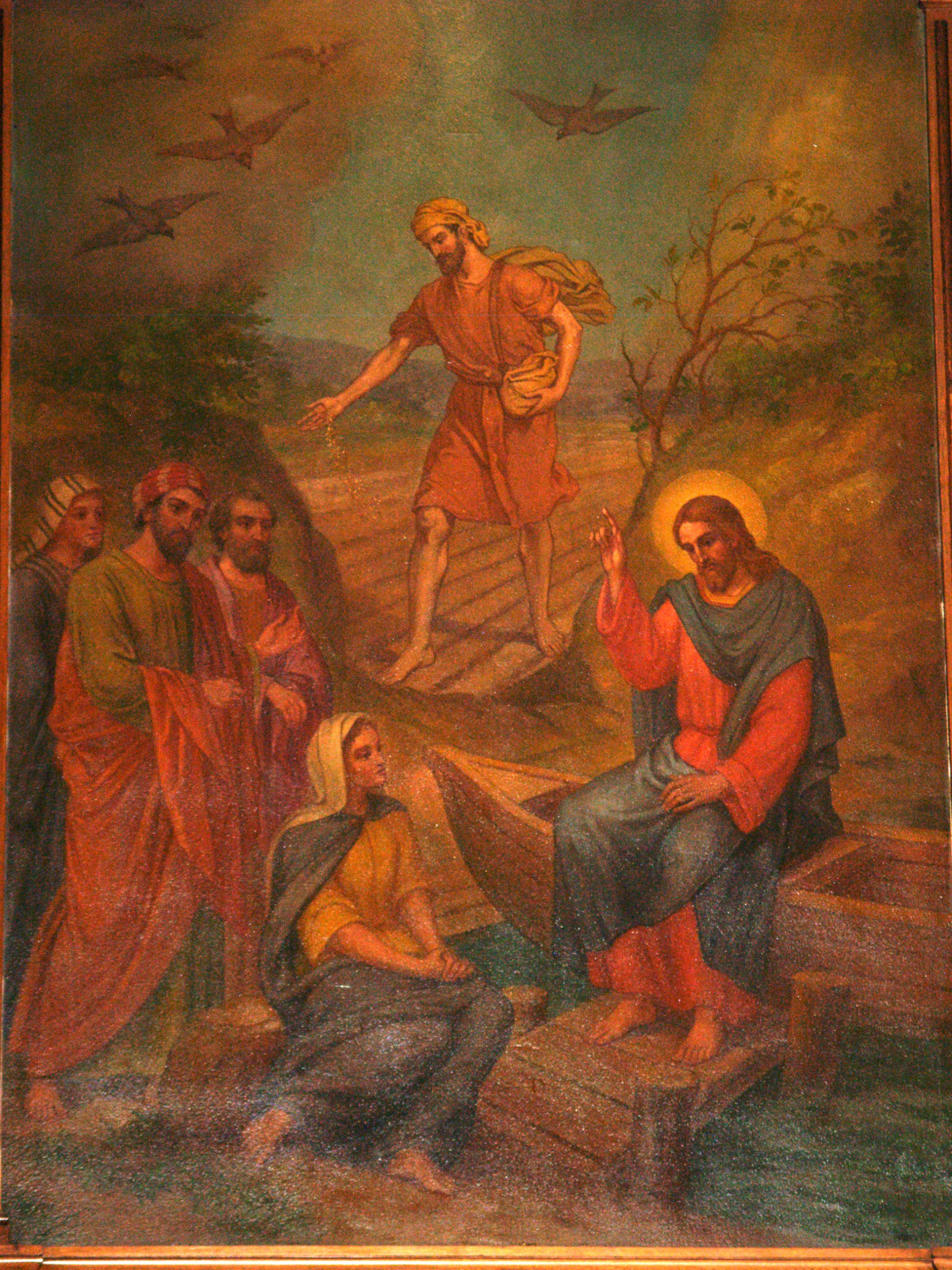
Seed Sown on Different Types of Soil | Semillas sembradas en distintos tipos de Suelo
-
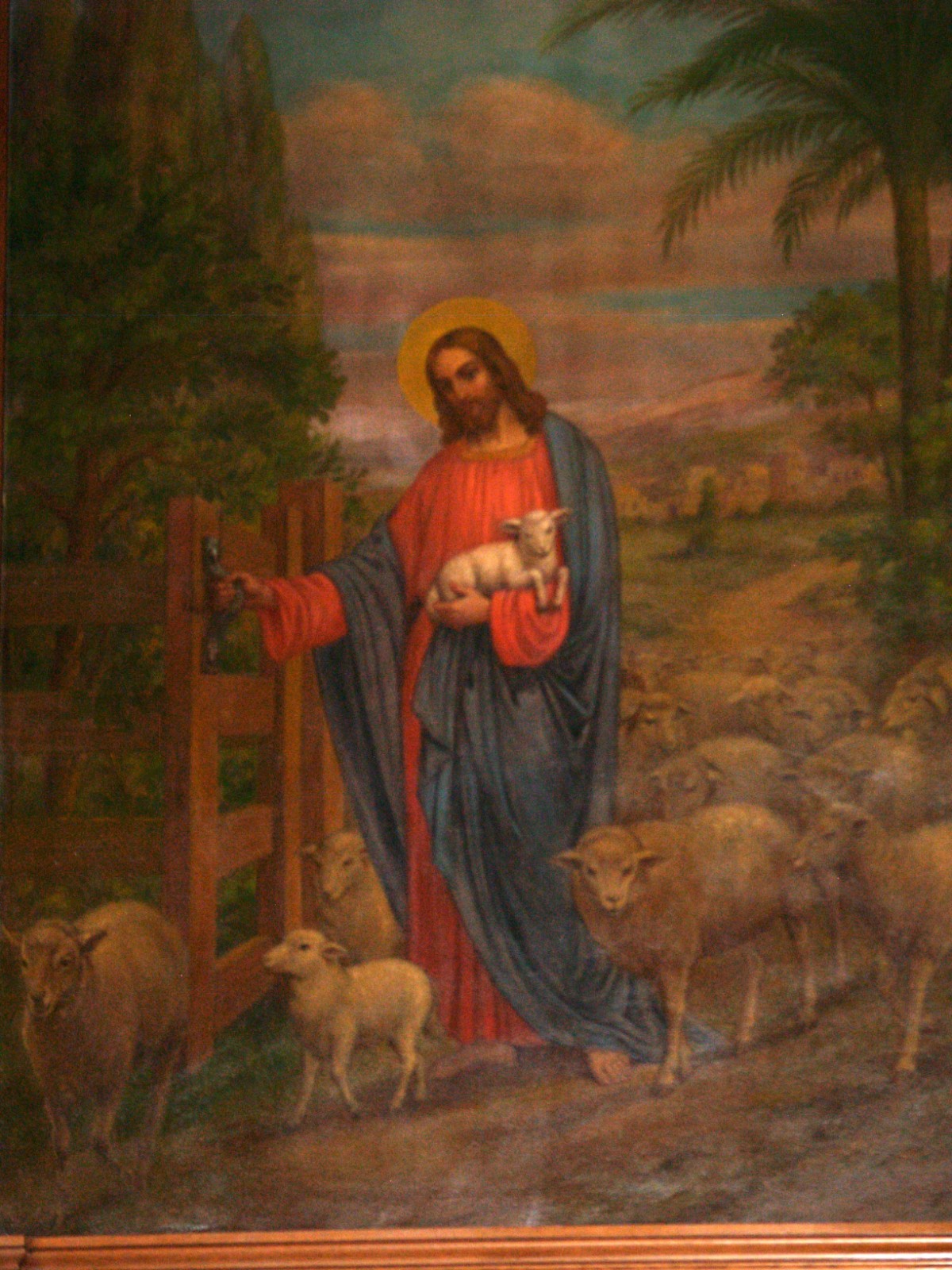
Good Shepard | Buen Pastor
-
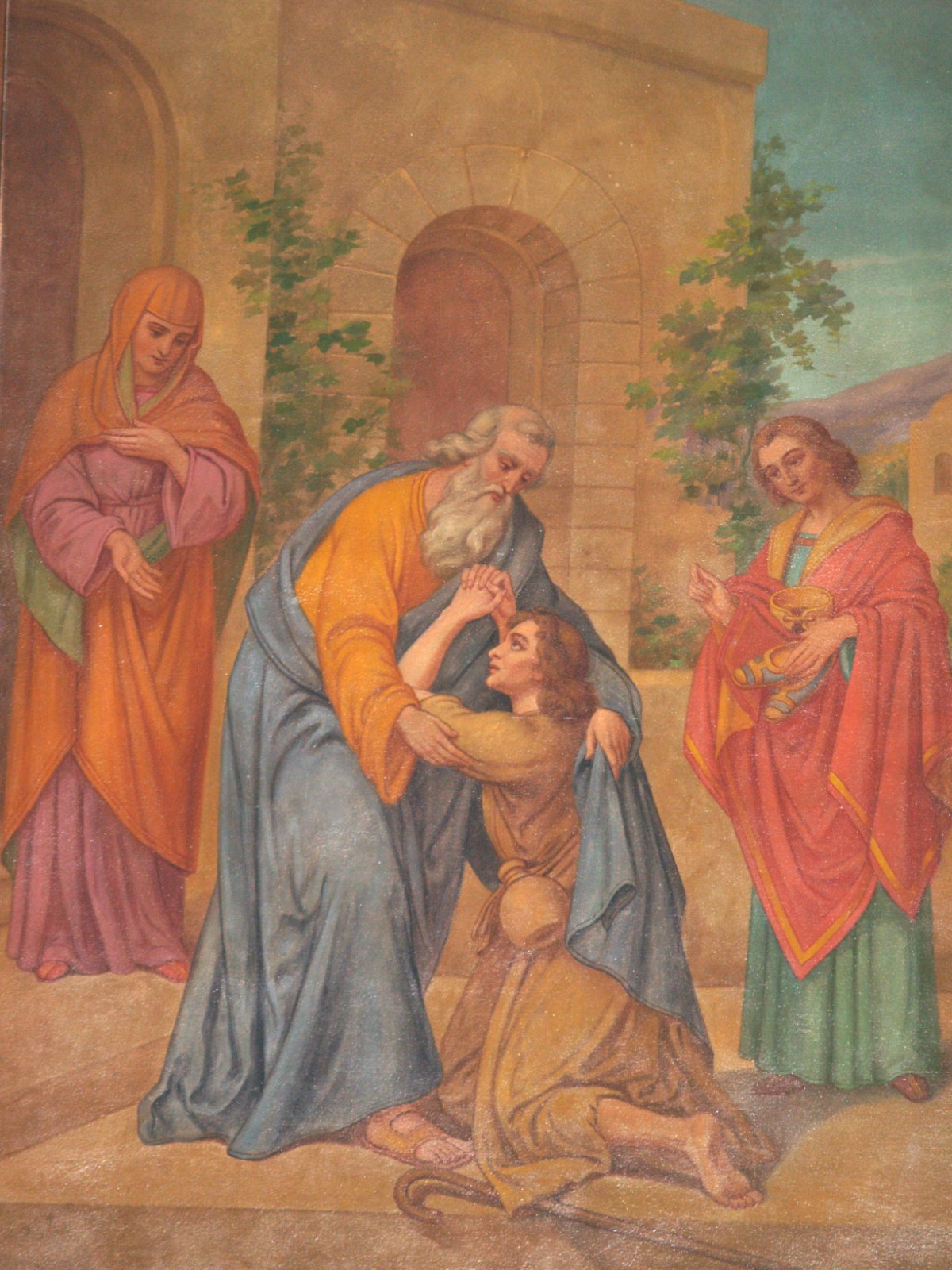
Prodigal Son | Hijo pródigo
-
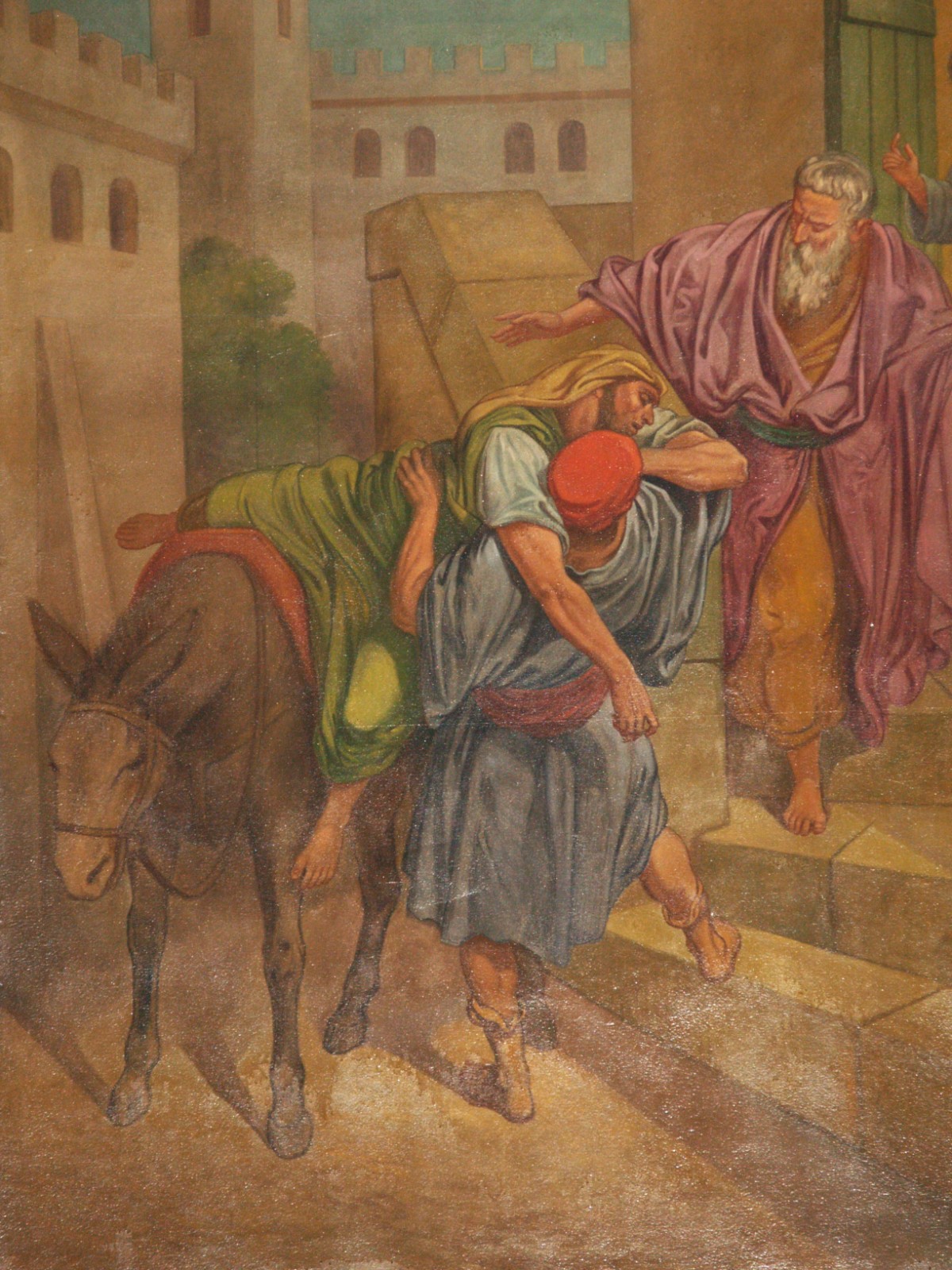
Good Samaritan | Buen Samaritano
-
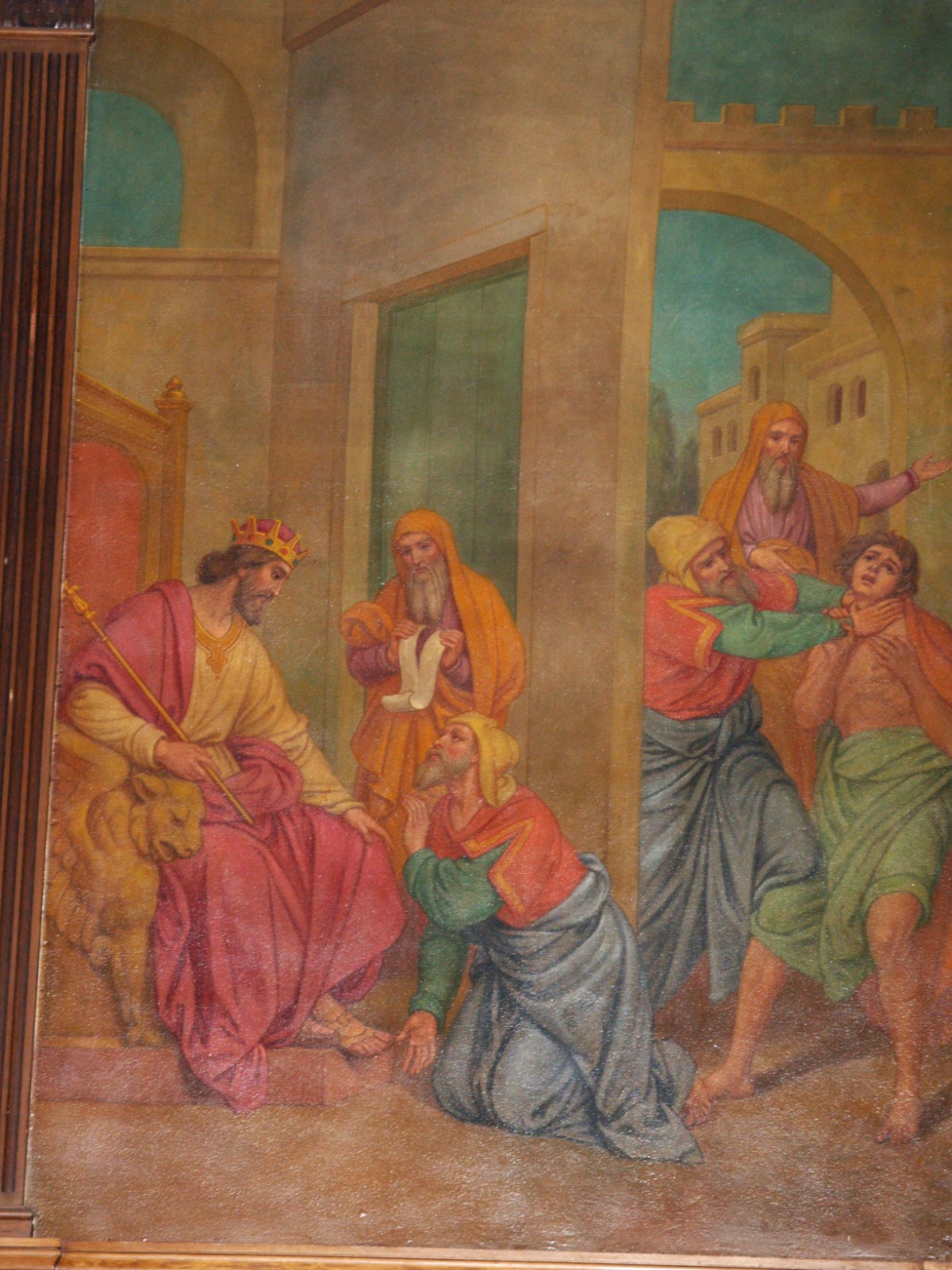
Unforgiving Debtor | Deudor Implacable
-
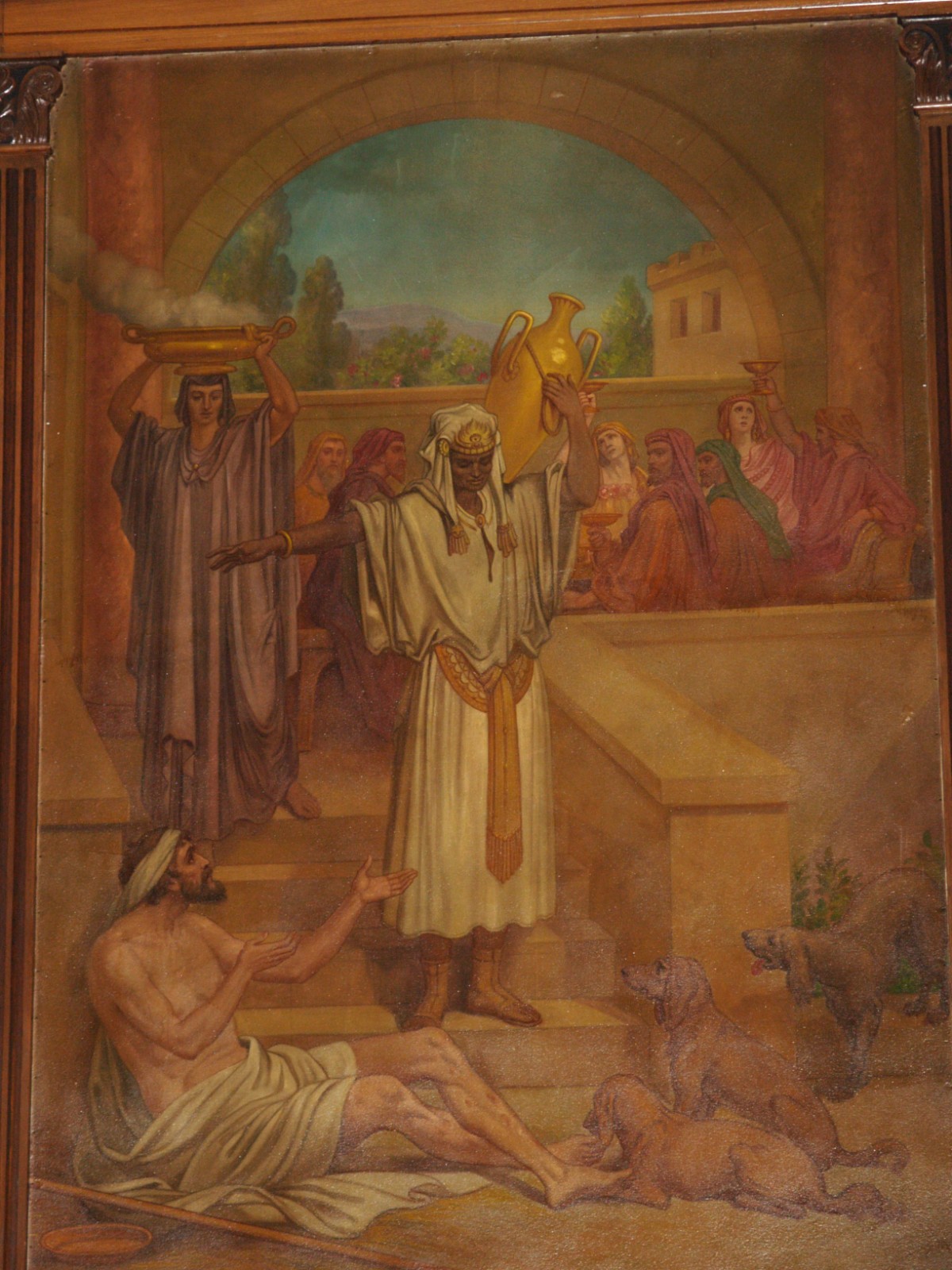
Rich Man and Lazarus | El Rico y Lázaro
-
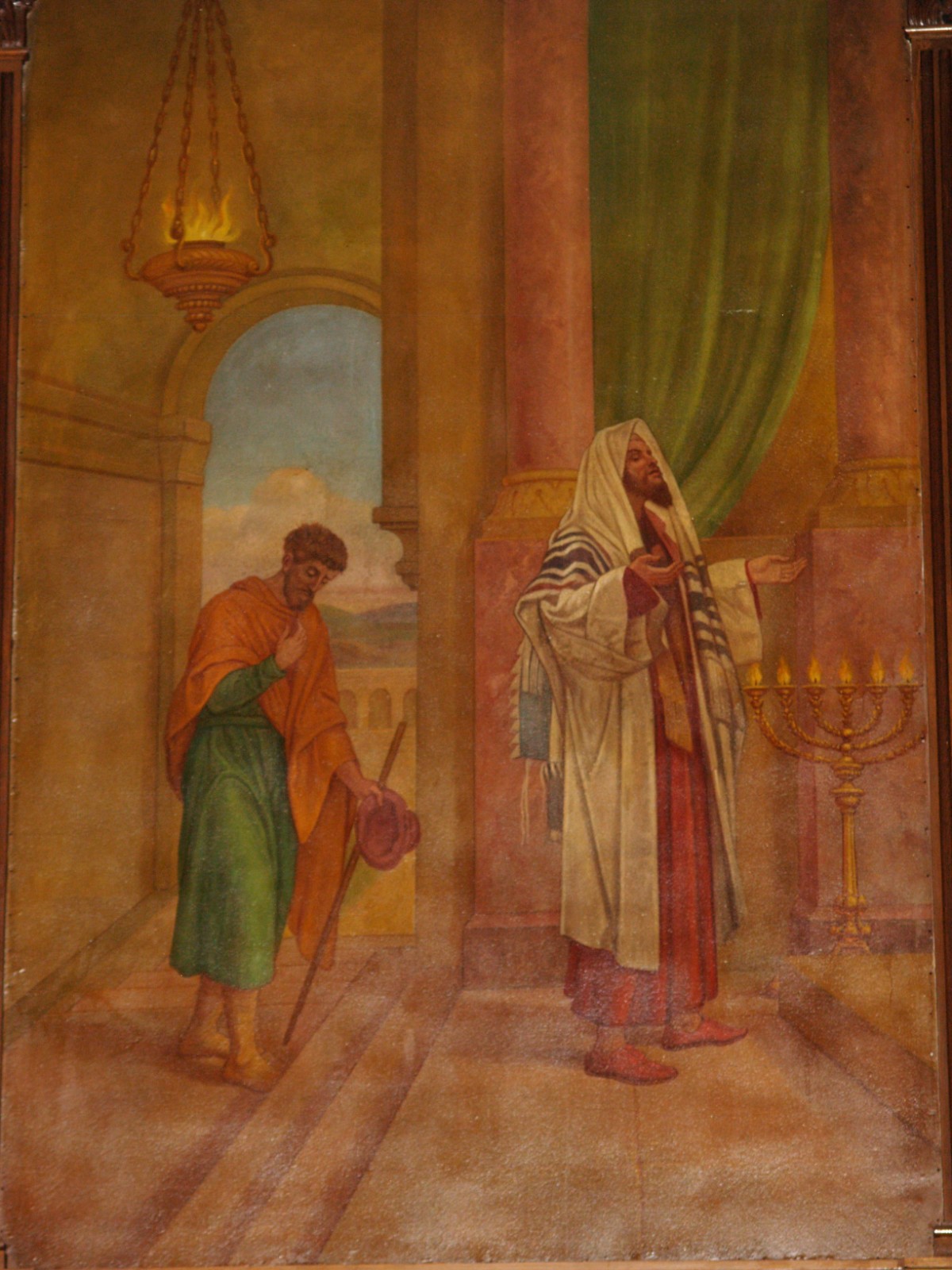
Pharisee and Publican | Fariseo y publicano
-
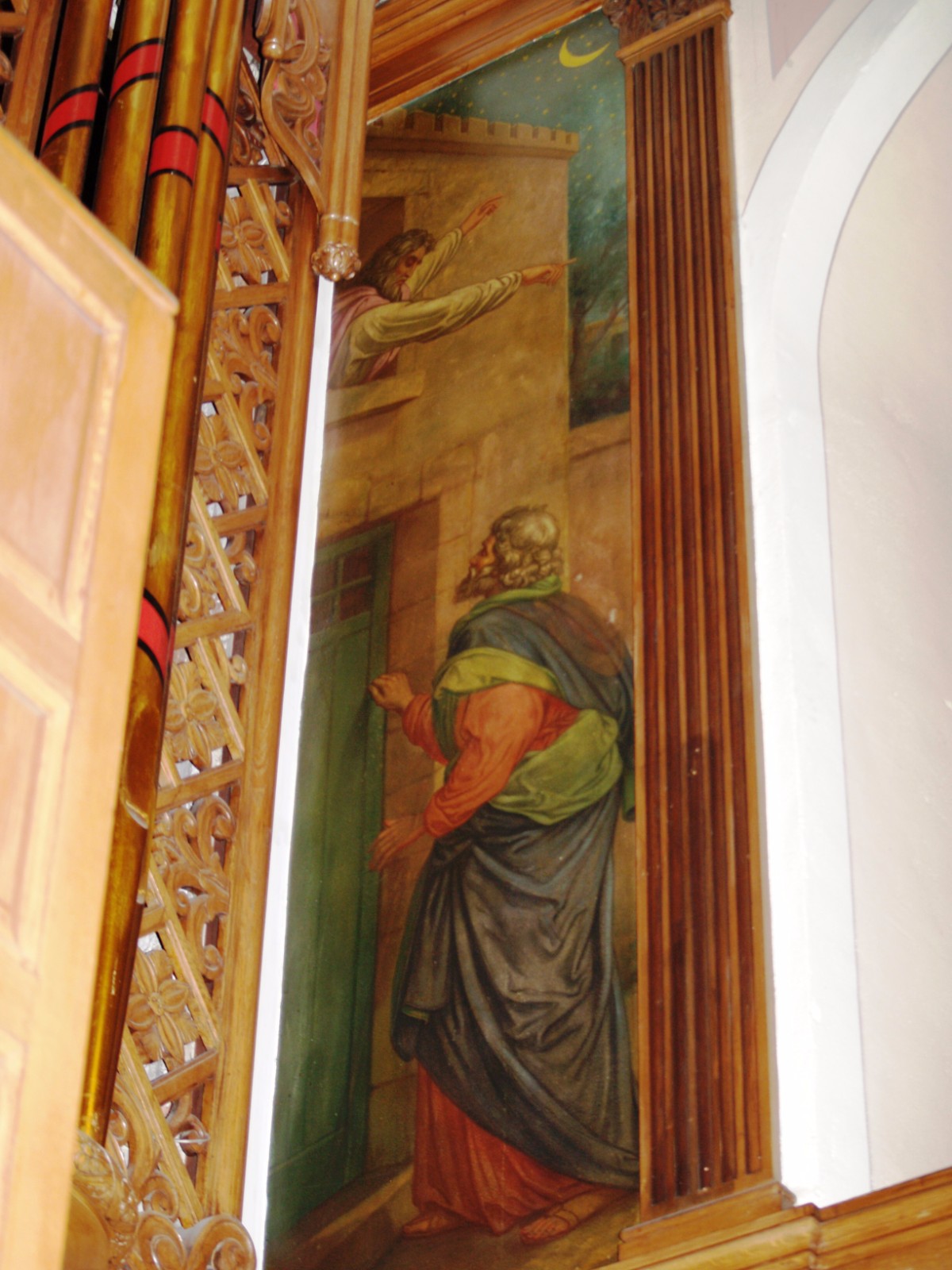
Perseverance in Prayer | Perseverancia en la Oración
›
‹
- 1
- 2
- 3
- 4
- 5
- 6
- 7
- 8
- 9
Shrines | Santuarios
|
Blessed Mother
Crucifixion
|
Virgen María
San José Sagrado Corazón
Crucifixión Rodeado de imágenes de santos mártires y de los cuatro evangelistas |
Statues | Estatuas
|
|
Architecture | Arquitectura
|
|